
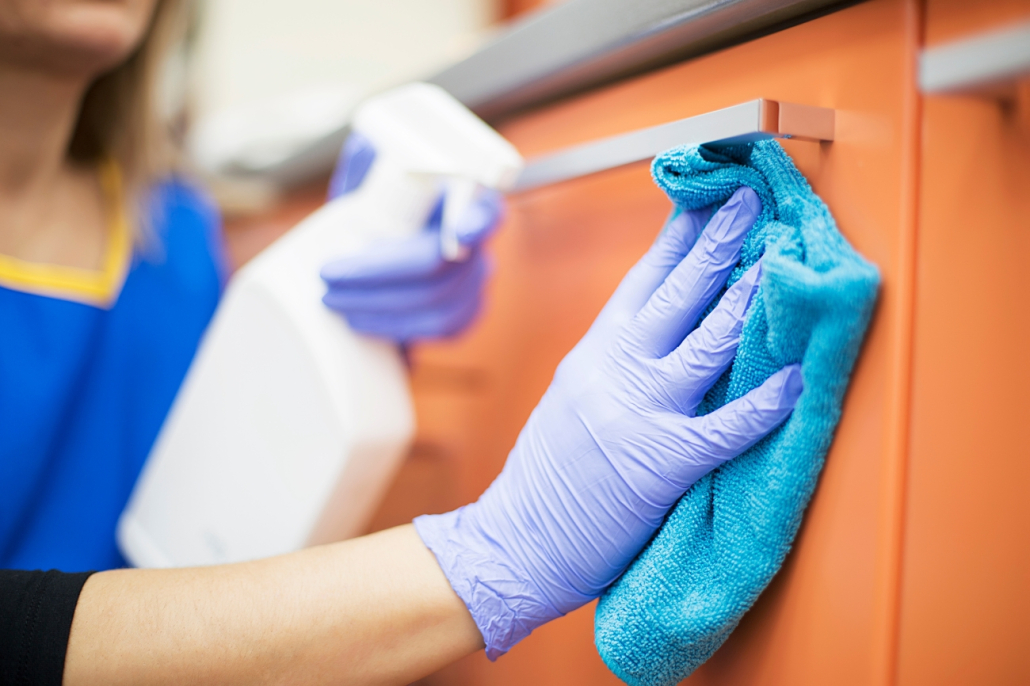
Do tiny scuffs on skirting boards, the faint shadow around light switches, and dusty door frames make rooms feel tired even after a tidy up, and do you suspect that detailed home cleaning is the difference visitors quietly notice the moment they step inside? These small fixtures act like telltales. They collect fingerprints, lint, and grease, and they expose the standards behind the shine. This guide explains why compact surfaces reveal truth about household hygiene, which overlooked cleaning spots speak the loudest, how to weave detail work into weekly habits, and when professional support pays off. You will also learn how a rhythm of detailed home cleaning keeps those subtle zones crisp so the whole home reads as fresh, cared for, and welcoming.
If you are proud of a neat home yet want the finish to look intentionally polished rather than just presentable, then this will help you use detailed home cleaning to raise first impressions and daily comfort in equal measure.
Table of Contents
- Why Small Fixtures Reveal Household Hygiene
• Which Overlooked Cleaning Spots Speak Loudest
• Easy Weekly Plan For Overlooked Cleaning Spots
• When Professional Detail Pays Off For Household Hygiene
• FAQ
Why Small Fixtures Reveal Household Hygiene

Little surfaces tell the story because hands touch them every day. A light switch gathers a soft halo from natural oils. Door frames catch dust on the top edge and fingerprints on the pull side. Skirting boards trap lint where floors are vacuumed, but edges are missed. These are not glamorous tasks, yet they shape how a space feels. When these zones are clean, rooms look brighter and lines appear sharper, which signals healthy household hygiene without saying a word.
There is also a practical reason. Dust and oils act like glue. Once a thin film forms, it grabs new particles faster, which makes the mark grow and darken. The fix is not hard work; it is smart timing. A quick wipe before the film sets is easier than scrubbing later. That habit is the heart of detailed home cleaning, because it targets build-up where it starts, not after it spreads.
The Psychology Of First Impressions
Before guests register your décor, they notice cues at eye and hand level. A crisp switch plate, a clean door frame near the handle, and tidy skirting where sunlight hits the wall join all suggest order. Those micro signs create trust in your cleanliness and, by extension, your care for the property. In day-to-day life, the same signals lift your own sense of calm because the room no longer whispers unfinished jobs.
Which Overlooked Cleaning Spots Speak Loudest
Every home has blind spots. Some are above the average line of sight, others hide in the open because they blend with the background. Skirting behind sofas, the top lip of architraves, and the underside rim of window sills collect dust quietly. Switch plates and dimmer knobs hold fine grime that normal sweeping misses. Door frames accumulate fingerprints at shoulder height, particularly near busy rooms like kitchens and bathrooms. Together, these overlooked cleaning spots shape the true finish.
Materials matter. Gloss paint shows smears, while matt paint holds fingerprints that need a gentle technique to avoid polishing patches. Textured wood frames trap lint along the grain. If you understand how each surface behaves, you can choose the right method and avoid marks, which is one of the subtleties of detailed home cleaning that makes results look professional.
Quick Touch Points That Change The Whole Room
A focused minute or two in the right place transforms the feel of a space. Work in good light so shadows reveal residue, and use light pressure to protect finishes. Keep a small caddy with soft cloths, a gentle all-purpose cleaner, cotton buds for crevices, and a dry brush for edges. With those tools on hand, the following passes deliver visible gains:
- Switch plates and sockets, a soft wipe in circles, then a dry buff around the edges to remove the faint halo.
• Door frames and handles, wipe the pull side at shoulder height, run a cloth along the top edge, and spot buff the latch area.
• Skirting boards, vacuum the floor edge first, brush dust from the moulding detail, then wipe the face and cap for a sharp line.
These tiny wins add up. Keep them light, and the room stays crisp between deeper sessions without heavy effort.
Easy Weekly Plan For Overlooked Cleaning Spots
A plan that follows traffic patterns beats an occasional blitz. The aim is to fold detail into what you already do, so it never feels like an extra chore. Build a loop that moves clockwise around each room at a set time of day. That loop catches edges before film sets and reduces the elbow grease required later. It also anchors overlooked cleaning spots in your schedule so standards remain steady week after week.
Start simple. After your usual vacuum or mop, take three minutes for edges and touch points. Work from high to low so you do not chase dust twice. In hallways, treat switches and frame pulls where hands land on the way through. In living rooms, scan skirting behind seating and along media units. In bedrooms, check the door frame near wardrobes and the top lip of headboards. In kitchens, give cabinet handles a pass and the door frame near the bin a quick wipe. Across the week, that circuit locks in the benefits of detailed home cleaning with minimal extra time.
Weekly Detail Routine You Can Stick To
Focus on consistency and the gentle method. These steps form a practical loop you can complete in short bursts:
- Monday, hallway pass, wipe light switches, socket plates, and door frames at handle height, then dry buff.
• Wednesday, living room lift, brush and wipe skirting behind sofas, media units, and under radiators for lint that evades the hoover.
• Friday, kitchen and bath edges, clean cabinet handles, wipe the frame near the bin, and refresh door pulls and architrave tops in the bathroom.
This pattern protects paintwork and keeps household hygiene visible where it matters. Adjust days to suit your home, but keep the rhythm, because rhythm is what makes the detail effortless.
When Professional Detailed Home Cleaning Pays Off For Household Hygiene

There are times when expert support multiplies your effort. Professionals arrive with the right tools for awkward edges, tall frames, and fine profiles. They use soft brushes for mouldings, microfibre systems for painted surfaces, and careful products that lift oils without dulling sheen. That precision prevents shiny patches on matte paint and avoids tide marks on gloss, issues that can occur with harsh cleaners. For many homes, a targeted visit each season resets the baseline so weekly tasks remain light.
A professional team also sees patterns you might miss. They spot consistent hand prints at a certain height, draught lines that pull dust to one corner, or skirting where airflow drives lint under furniture. By correcting those patterns and refreshing high-traffic routes, they strengthen household hygiene and leave you with a clear map for maintenance. This partnership approach makes detailed home cleaning sustainable, not strenuous.
What Professionals Tackle In A Detailed Reset
Expect a methodical sweep that reaches the places everyday tools cannot, while protecting finishes:
- High-level edges, tops of door frames and window architraves, cornices, and picture rails are where dust collects and drifts down.
• Fine profiles and mouldings, soft brush loosen, microfibre lift, and a dry buff to restore crisp lines without smears.
• Paint safe degrease, switch plates, sockets, and handle zones cleaned with low moisture and controlled pressure to prevent polish marks.
With these tasks complete, your weekly loop works better, and the whole home reads fresh from threshold to lounge.
Ready to make your home look intentionally polished every day without doubling your workload? Book detailed home cleaning today for a tailored plan that targets overlooked cleaning spots and strengthens household hygiene with smart, sustainable routines that fit your schedule.
For more cleaning tips, read “Fresh Air Indoors: How Deep Cleaning Transforms Your Home Environment“.
FAQ
Why do small fixtures matter more than big surfaces?
They carry daily touch and show residue first. When these points are clean, the eye reads the whole room as fresher, which lifts perceived household hygiene even if larger tasks wait until the weekend.
How can I stop fingerprints returning so quickly on switches?
Use a gentle cleaner, then finish with a dry buff so no moisture film remains. Keep a soft cloth in a handy caddy and give plates a quick wipe mid-week to maintain detailed home cleaning standards.
What products are safest for painted door frames and skirting?
Mild all-purpose solutions and microfibre cloths are the safest starting point. Test in a hidden spot, avoid abrasive pads, and use light pressure so overlooked cleaning spots stay clean without polishing the paint.
How often should professionals handle the detailed work?
Many homes benefit from a seasonal reset, then light maintenance every four to six weeks in busy areas. That rhythm supports your weekly loop and keeps detailed home cleaning efficient.
Can I combine detail cleaning with my regular vacuum routine?
Yes. Vacuum edges first, then wipe skirting caps and door frames so loosened dust does not resettle. This simple order strengthens household hygiene while saving time.
#DetailedCleaning #HomeCleaningTips #HouseholdHygiene #OverlookedSpots #CleanHome
© MillaG5


So true, iny details really do change the whole vibe of a room.